Industry
Global Payments & Banking Infrastructure
Client
MasterCard
Unifying 10 Payment Platforms into One Global System
A full scale design project uniting UX research, design system, and UI design, with one mission: to merge 10 platforms into the most modern solution in the industry.
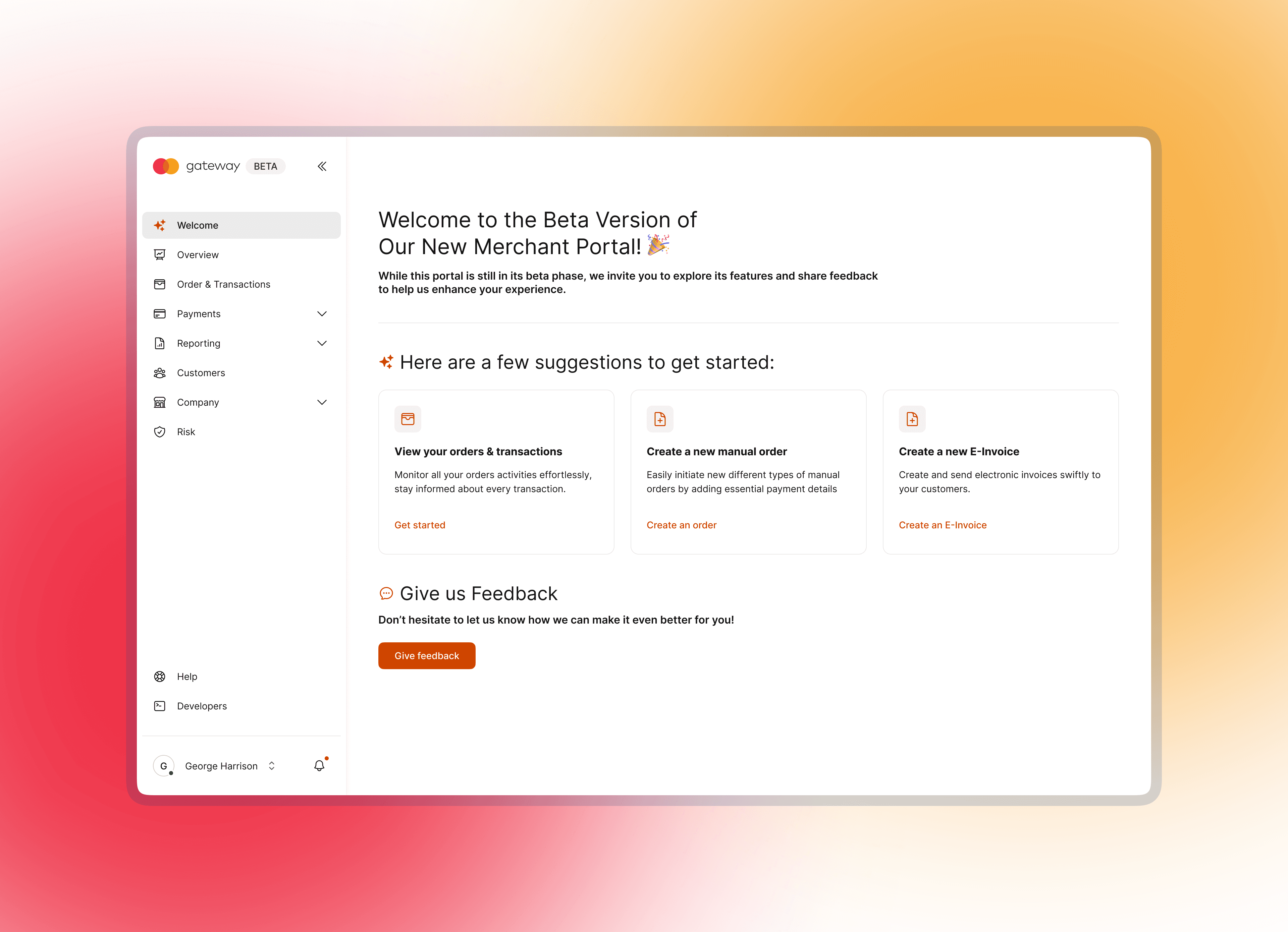
I worked on a large scale internal payments platform focused on modernizing legacy workflows, unifying experiences across products, and improving speed, security, and scalability for merchants and internal teams.
Role
Product Designer
Team
1x Project Manager
2x Business Analyst
2x Product Owners
2x Research Designers
4x Product Designers
16x Engeneers
Impact
Reduced time to complete transactions
Fewer errors and failed payments
Improved consistency across products
Reduced rework and tech debt
Faster delivery cycles
Higher confidence for merchants
Problem area
When Fragmented Payment Platforms Slow Global Commerce
Ten independent payment platforms evolved in parallel, resulting in fragmented workflows, inconsistent UX patterns, and duplicated complexity. For merchants operating globally, this led to slower task completion, higher error risk, and reduced confidence in critical financial operations, highlighting the need for a single, unified payment system.
Problem 1
Merchants had to navigate different workflows, interfaces, and rules across multiple platforms, increasing cognitive load and slowing operations.
Problem 2
Platforms with different UX, security, and interaction patterns, leading to confusion, higher error rates, and duplicated effort across teams.
Problem 3
Maintaining 10 separate systems increased support overhead, slowed feature delivery, and made it difficult to scale securely at a global level.
Design goals
What I aimed to achieve
Unify the merchant experience
Deliver a single, consistent experience across all payment platforms, removing fragmentation and reducing cognitive load for merchants.
Standardize UX and interaction patterns
Create shared patterns and standards that support white label customization while maintaining consistency, accessibility, and predictable behavior
Enable scalable and secure growth
Design flexible workflows that support global scale, multiple roles, and strict security requirements, without adding complexity to the platform.
Design decision 1
Establish a Single Global Merchant Platform with Modular Architecture
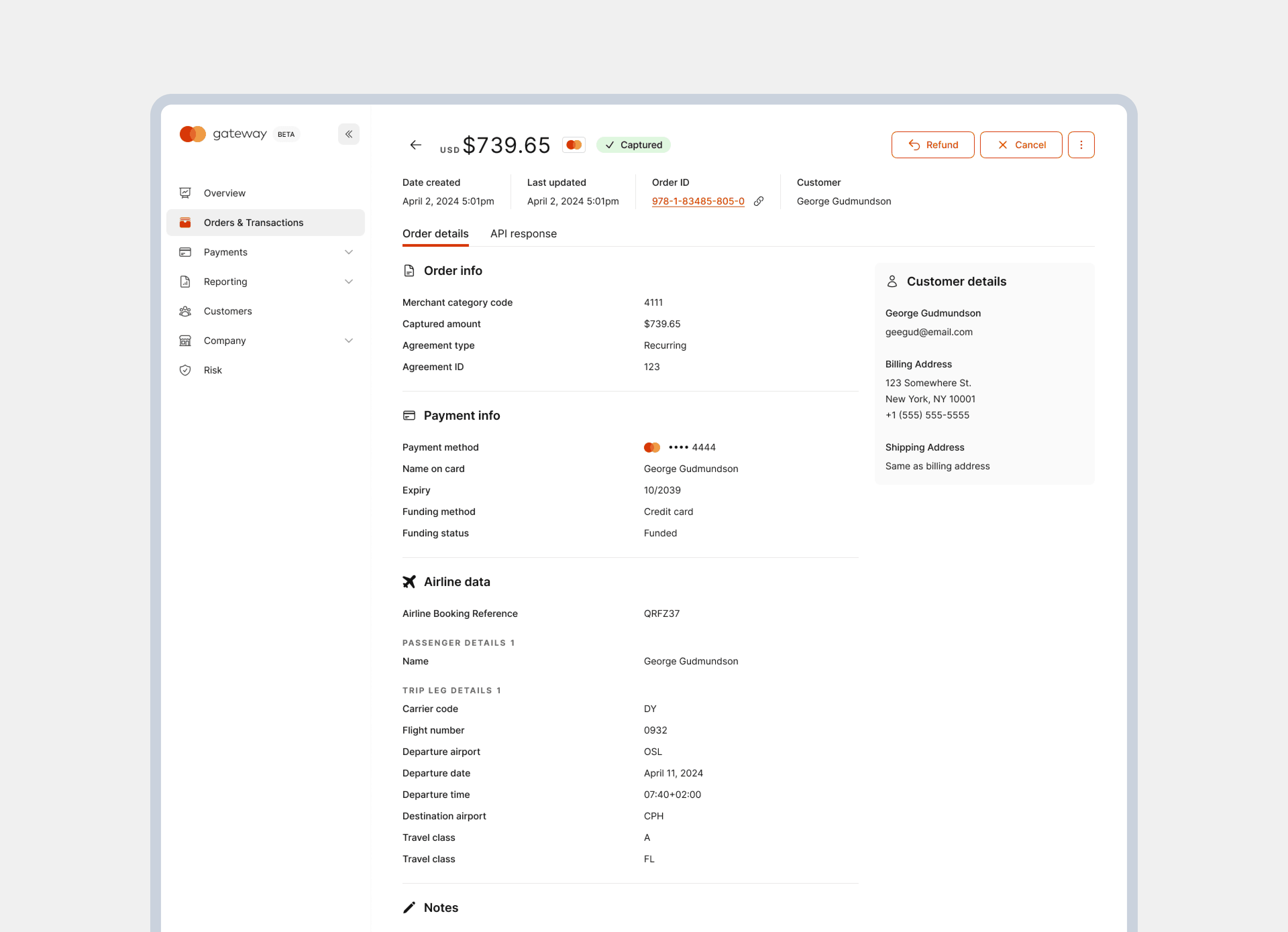
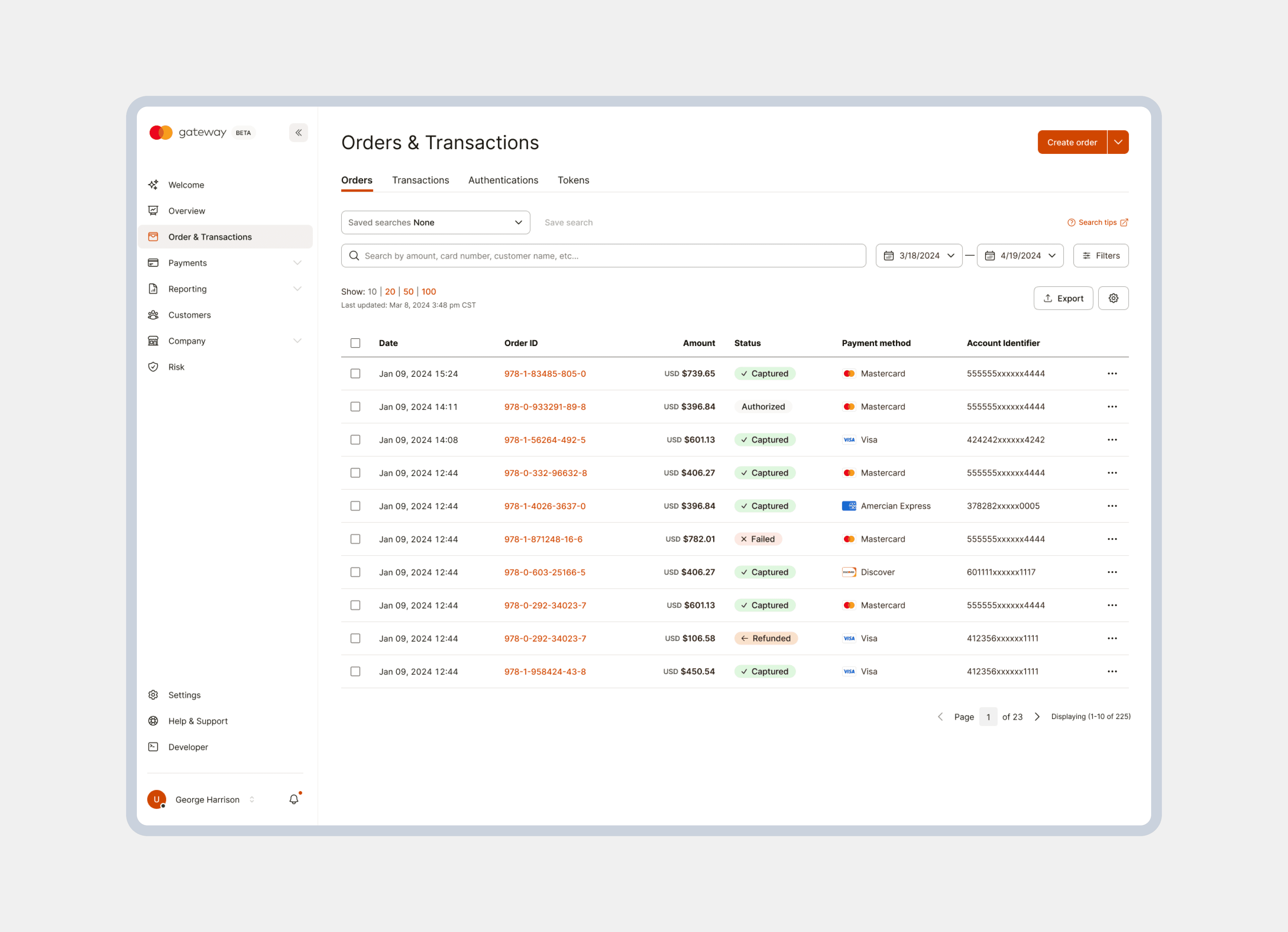
Instead of iterating on each existing payment platform independently, we unified all 10 platforms into a single global merchant experience built on a shared UX foundation and modular architecture.
Merchants were forced to switch between fragmented tools with different workflows, security models, and interaction patterns. This increased cognitive load, errors, and operational friction while making it difficult to scale globally or support white label partners.
Impact
Reduced merchant confusion by replacing multiple tools with a single system
Lowered maintenance and support overhead by eliminating duplicated platforms
Enabled faster rollout of new features across regions and partners
Created a scalable base for future growth without increasing complexity
Design decision 2
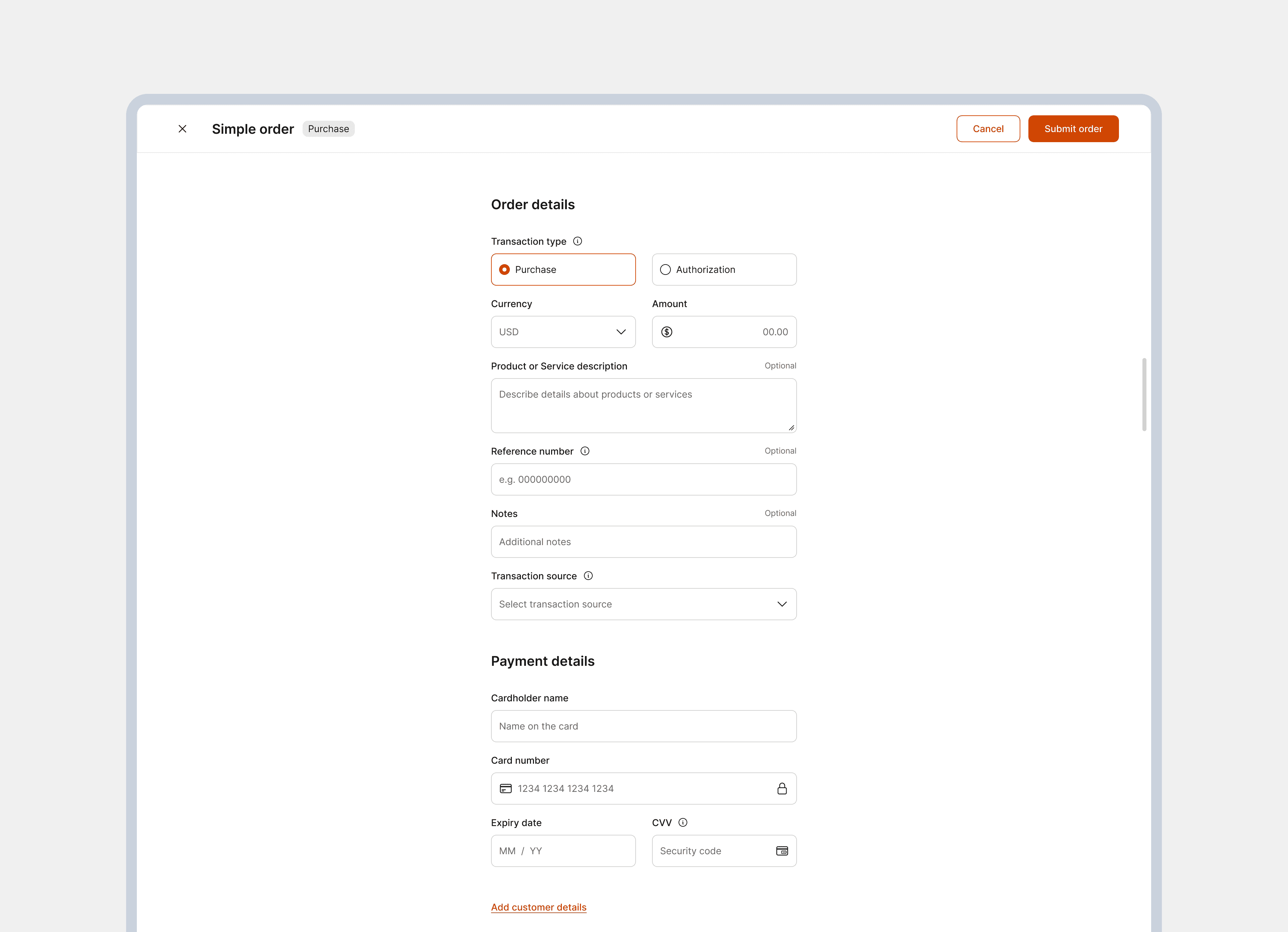
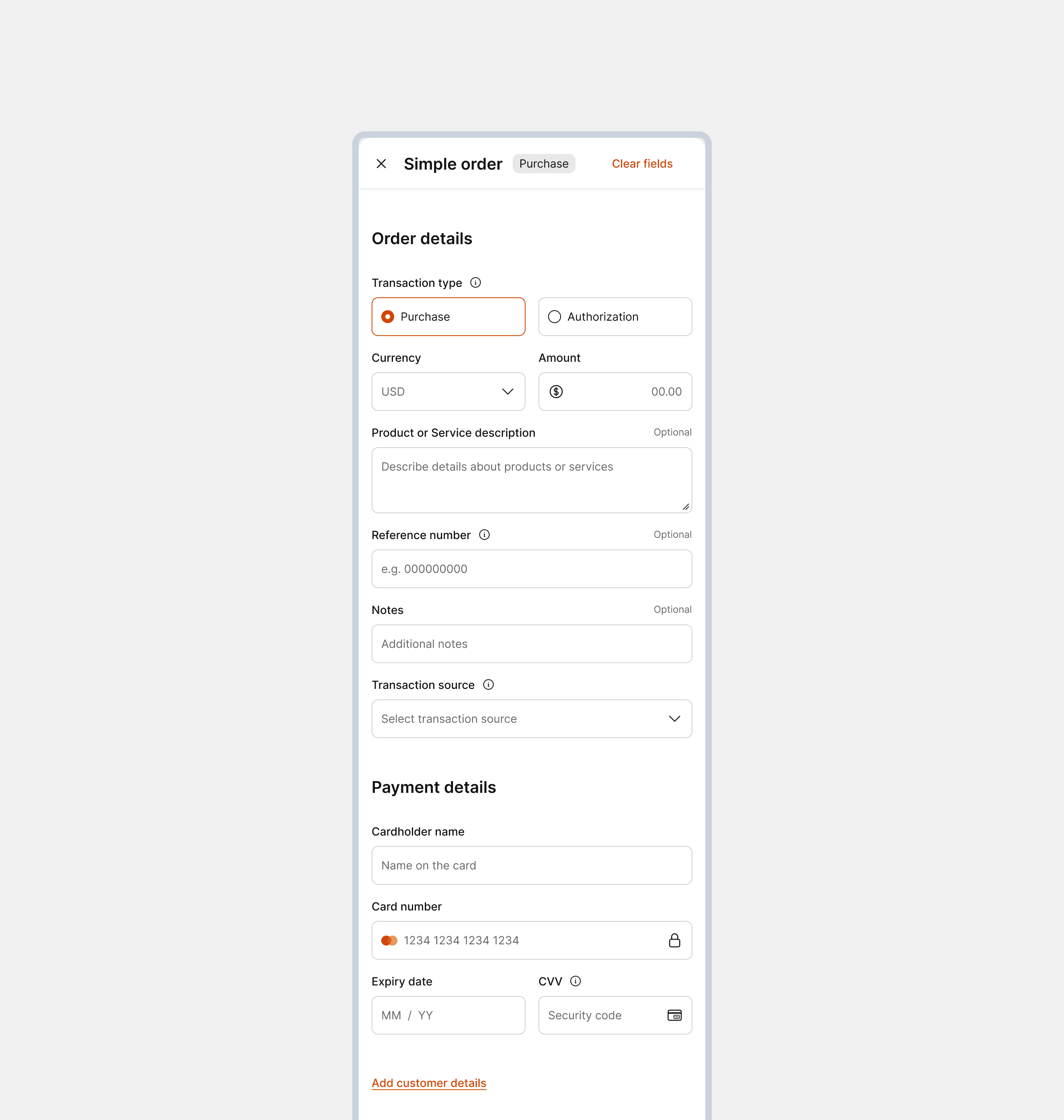
Standardized core workflows using modular patterns
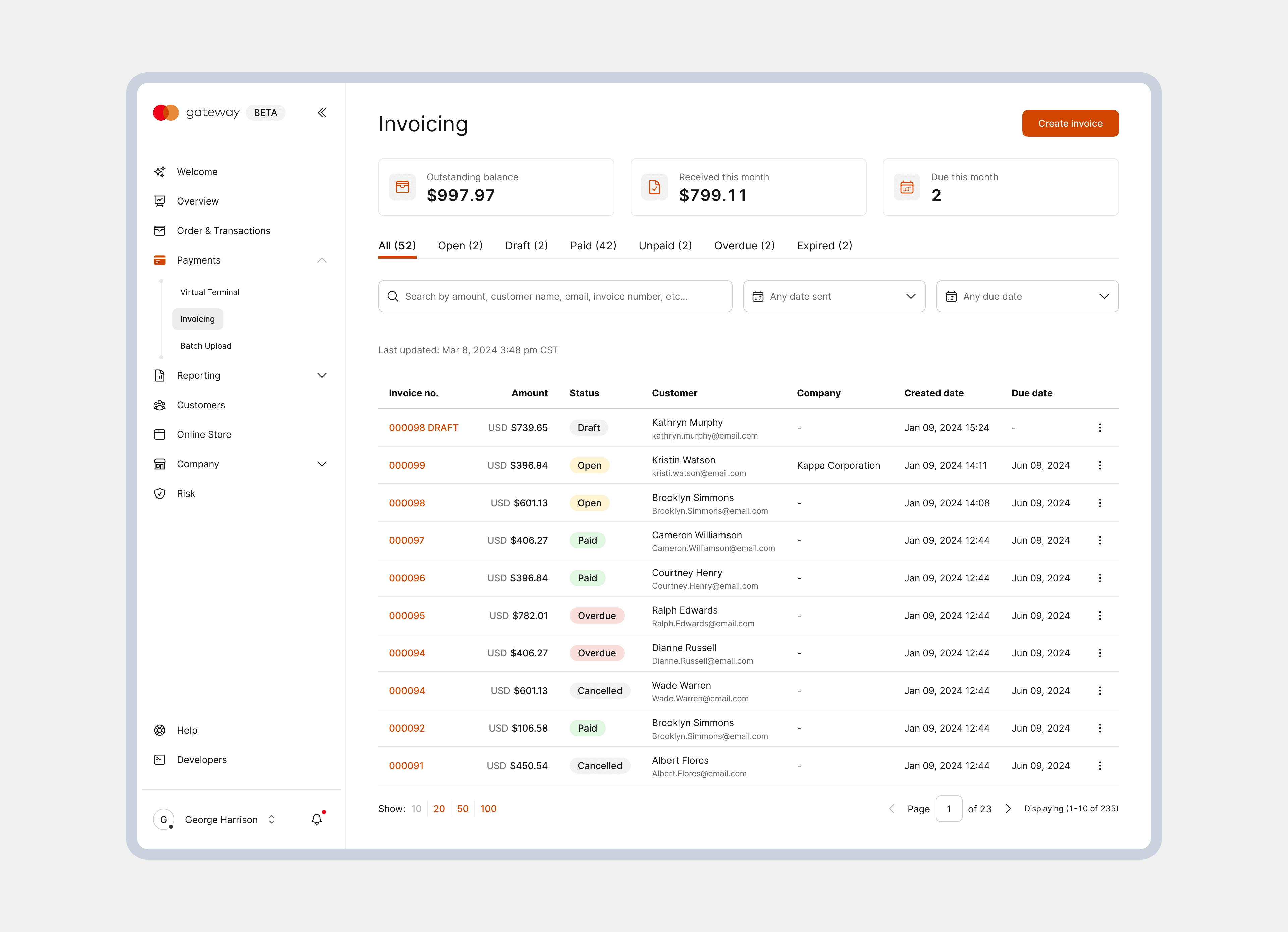
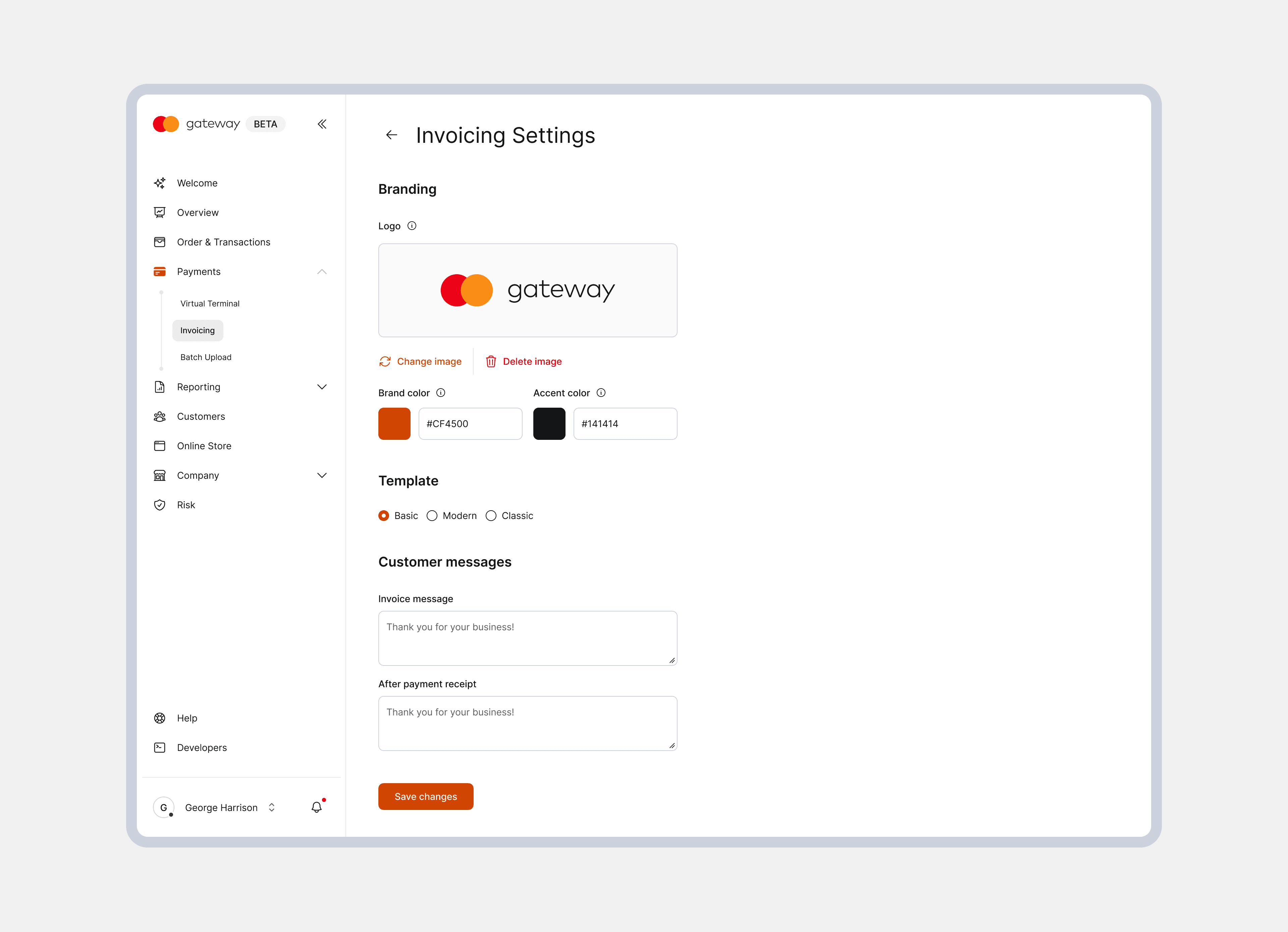
To reduce fragmentation across legacy payment platforms, the team defined standardized, end-to-end workflows for critical merchant activities such as authentication and MFA, orders, invoicing, user management, and profile security. Instead of maintaining platform-specific solutions, these workflows were built from modular, reusable patterns that could be applied consistently across regions, roles, and white label configurations.
This approach created predictable interactions aligned with shared business rules, security requirements, and technical constraints, enabling the platform to scale globally while maintaining clarity, accessibility, and trust in high-risk financial flows.
Reduced user errors
Consistent workflows lowered confusion and decreased errors in high frequency merchant tasks.
Faster design & delivery
Reusable patterns reduced duplicated effort and accelerated design and engineering cycles.
Improved scalability
New features, markets, and white label partners could be added without redesigning core flows.
Design decision 3
Evolve the global design system to support white label scale
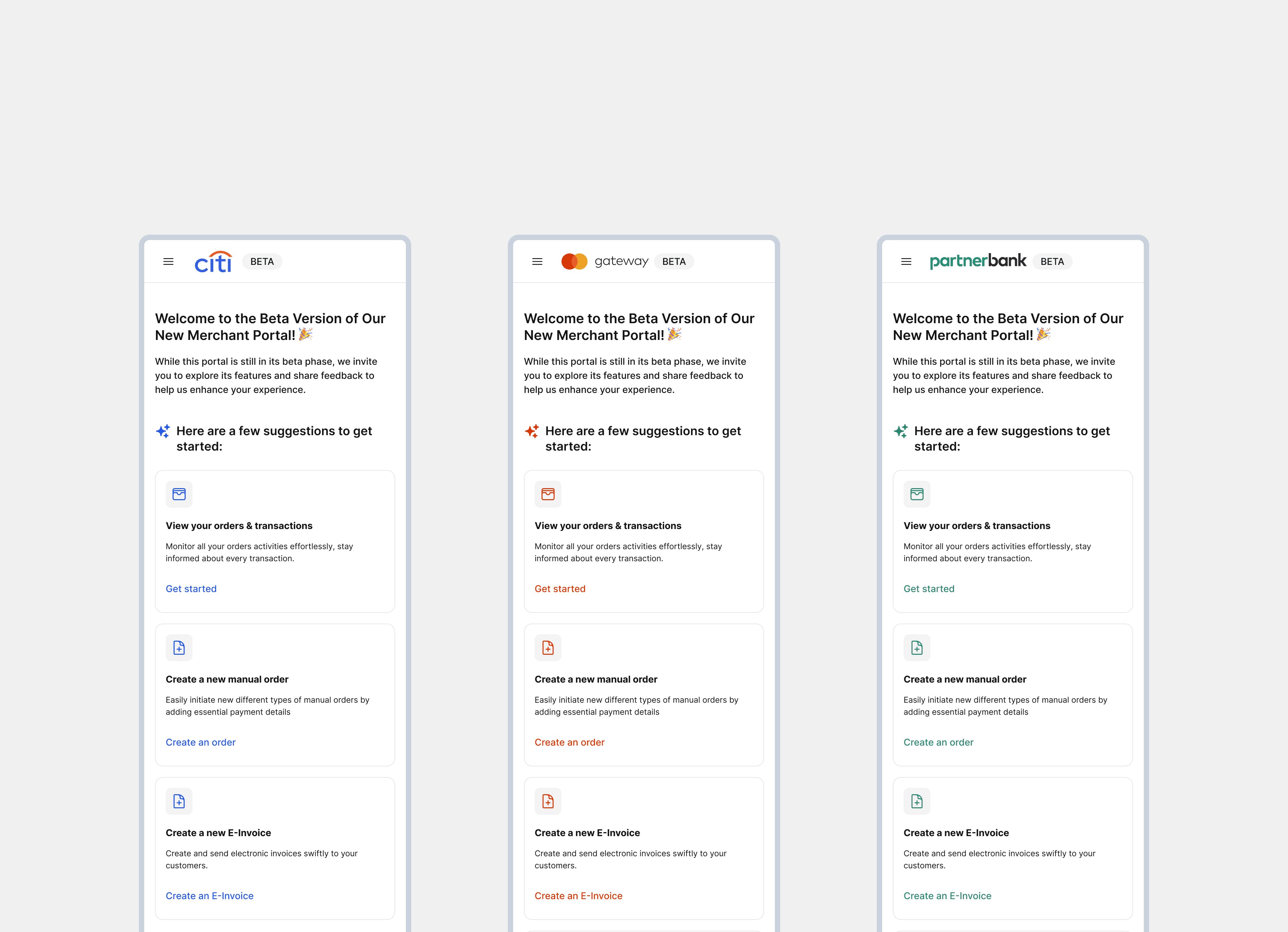
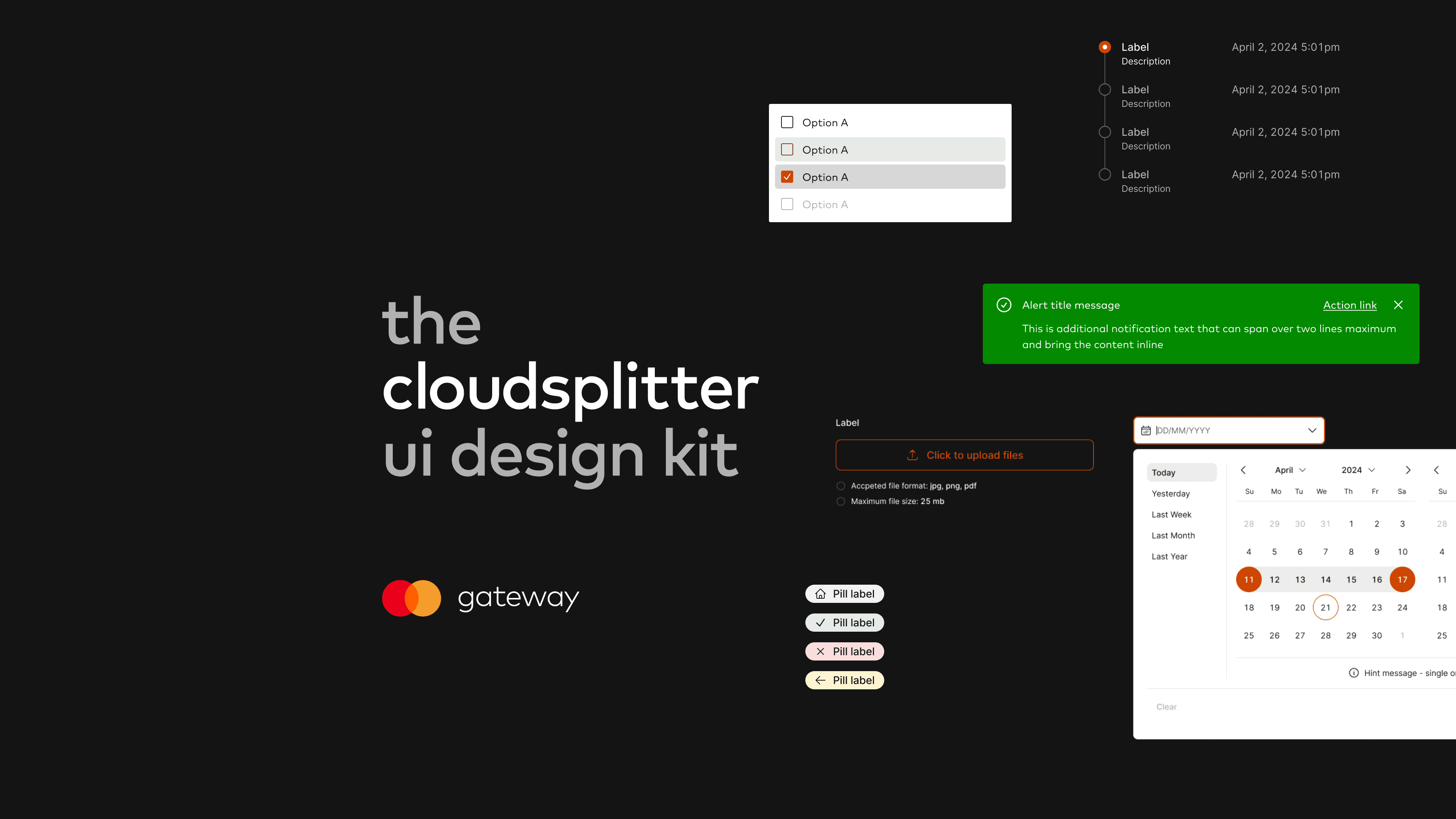
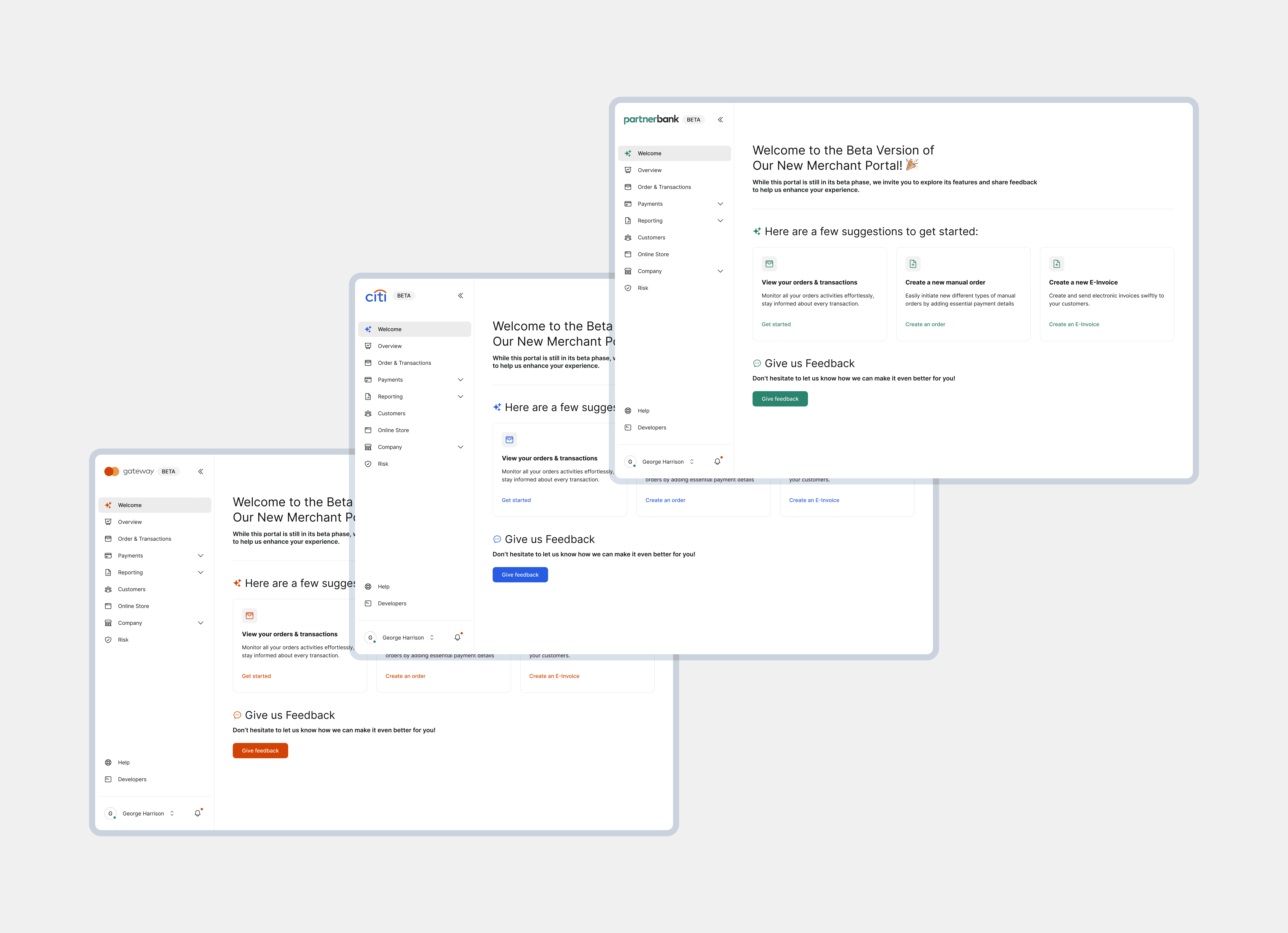
As part of unifying multiple payment platforms, the global Mastercard design system was evolved to become a shared foundation for all products, while supporting white label customization for banks and partner brands.
Token based theming and brand-agnostic components enabled visual differentiation without fragmenting core workflows, ensuring consistency, accessibility, and scalability across markets. This approach allowed new brands to be onboarded quickly, reduced design and development rework, and ensured the platform could grow globally without reintroducing UX or visual inconsistency.
Outcome 1
Faster onboarding of new banks and partners without redesigning core flows
Outcome 2
Reduced design and development rework through a single system
Outcome 3
A scalable foundation that supports growth without visual or interaction drift
Retrospective
Building a scalable foundation for global payments
This project showed how design can enable scale in a complex fintech ecosystem. By unifying 10 payment platforms, standardizing core workflows, and evolving the global design system to support white label partners, the team created a consistent and extensible foundation for global growth.
Early alignment through shared standards and design governance reduced rework and ensured accessibility, security, and feasibility were addressed from the start. The result was not just a more coherent user experience, but a system that allows teams to move faster while maintaining trust and consistency across regions and brands.
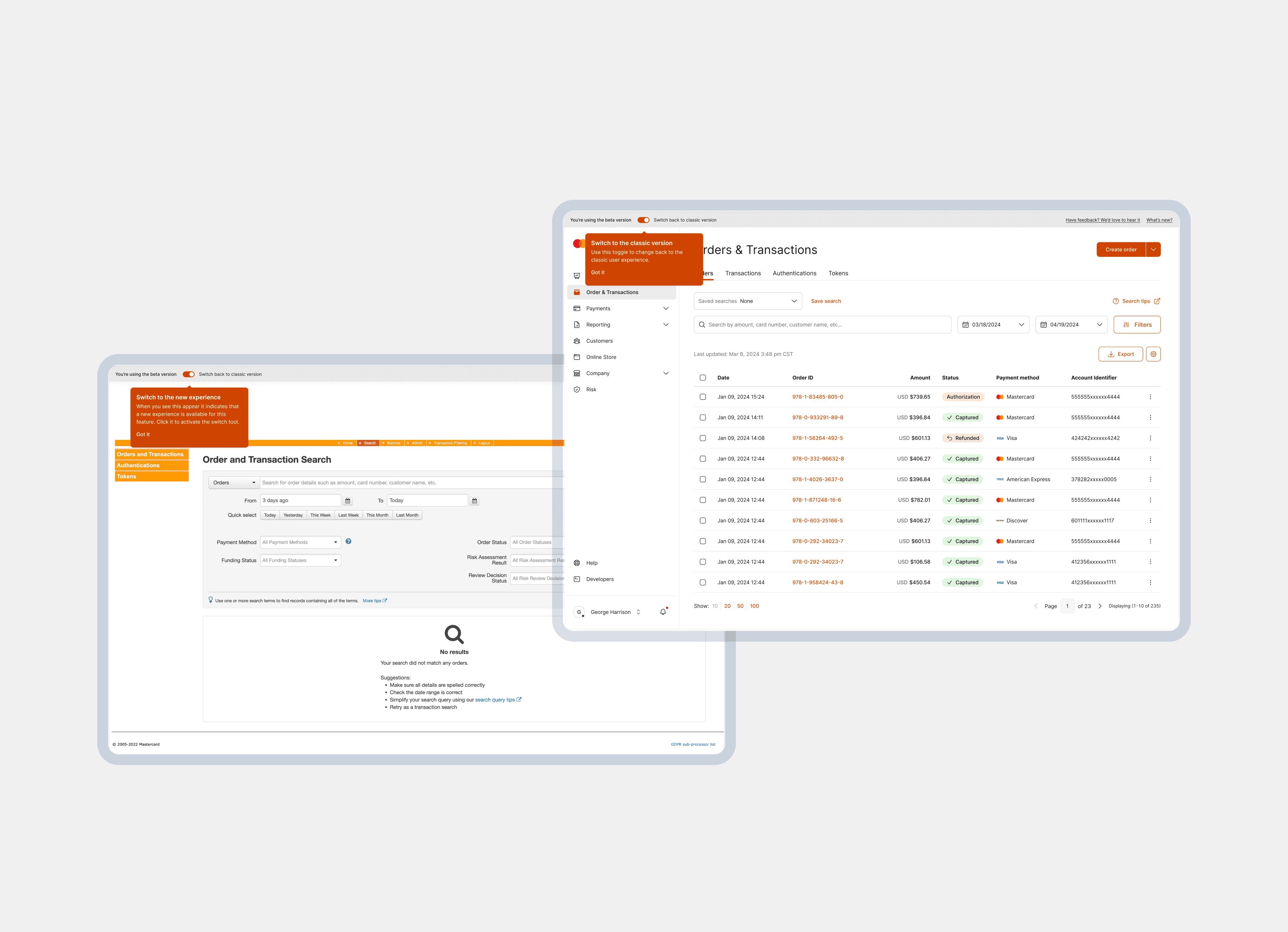
Product before redesign
Impact
40% reduction in platform complexity
through consolidation and shared UX foundations
35% improvement in time-to-market
for new features and white-label bank integrations
30% reduction in design and support
driven by standardized patterns and governance